
HIV Knowledge
HIV Treatment
Antiretroviral therapy (ART), when to start, adherence, viral load, CD4, U=U, and long-term care — a practical guide for people living with HIV and their loved ones.
Introduction
HIV treatment today is not about buying a little extra time, as many once believed. It is long-term health care that lets most people live long, full lives and plan for the future like anyone else. The cornerstone is antiretroviral therapy (ART), which drives the amount of virus in the blood so low that tests cannot detect it, helps the immune system recover, and greatly reduces transmission to others. Whether you have just tested positive or are thinking about restarting care after a break, understanding ART step by step helps you make confident decisions with your clinician.
Before starting medicines, clinicians usually run baseline tests such as viral load, CD4 count, kidney and liver function, and checks for other infections. These tests are not meant to label you as "very sick or not" — they help choose a safe regimen and track how well treatment works. If you have not tested yet or are unsure when to test, see our pages on HIV testing and HIV and AIDS.
This article covers ART from starting treatment and staying adherent to common side effects, what viral load and CD4 mean, the U=U (Undetectable = Untransmittable) evidence, and long-term health — including links to HIV prevention and STI care. For quick answers, visit our FAQ or browse recent posts in Articles.
Starting HIV treatment can feel heavy at first, but many people settle into normal life once ART and a trusted team are in place — including visits, vaccines, chronic care, and work or benefits support.
People who stopped treatment can return — do not reuse old pills. Clinicians recheck viral load and CD4 and choose a safe regimen. Resuming promptly supports U=U and immune recovery.
What is HIV treatment?
HIV treatment means taking antiretroviral medicines consistently to control the virus. It is not a cure in the sense of removing every trace of HIV from the body, but it stops the virus from doing harm so the immune system can recover and quality of life improves. Steady treatment lowers the chance of progressing to AIDS, prevents many opportunistic illnesses, and — with a sustained undetectable viral load — means no sexual HIV transmission under U=U.
HIV care usually involves a team: an experienced clinician, nurses, counselors or psychologists, and sometimes a dietitian or pharmacist. The goal is not only "taking pills on time" but also mental health support, reliable access to medicines, scheduled monitoring, and preventing other conditions linked to risk behavior. Learning about HIV prevention helps you and partners plan safer, clearer choices together.
HIV treatment is long-term viral control, not eradication from the body. Goals are good health and no transmission when undetectable.
Antiretroviral therapy (ART)
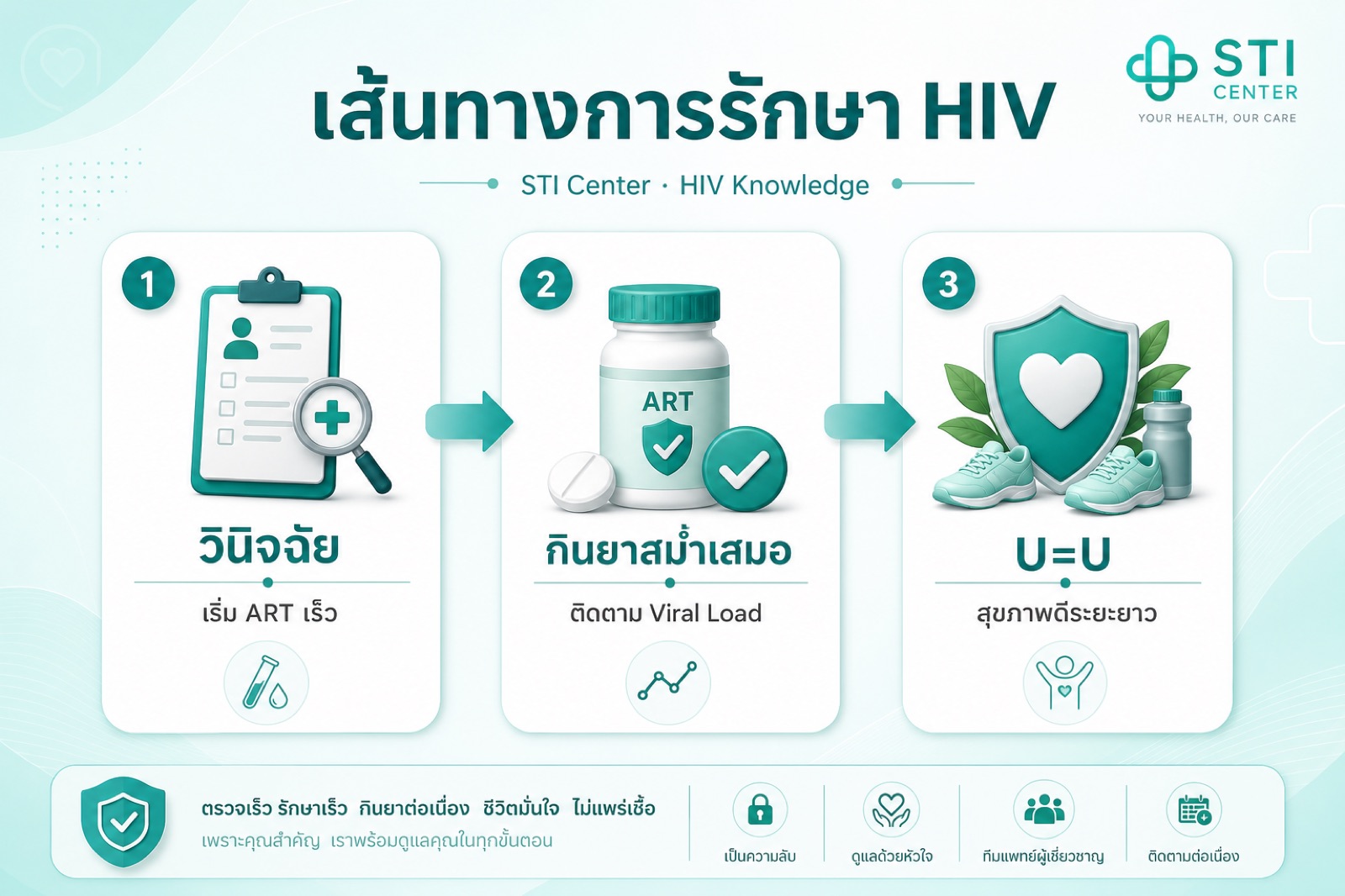
ART uses medicines that block stages of the HIV life cycle inside your cells. Regimens usually combine several drugs so the virus cannot easily develop resistance. Many modern options are once daily, involve fewer pills, and cause fewer side effects than older therapy. Your clinician chooses a regimen based on lab results, other health conditions, drug interactions, pregnancy plans, and what fits your daily life.
Common regimens and what to know
- Most ART is oral daily medication — not injections for everyone (except special cases prescribed by a clinician).
- Never stop or switch regimens on your own, even if you feel well — stopping can let the virus rebound and become resistant.
- Tell your clinician about every medicine you take, including herbs and supplements, because of possible interactions.
- If you move or change insurance, plan ahead so you do not run out of pills.
ART combines drugs to limit resistance. Never stop or switch alone; report all medicines including herbs and supplements.
When to start treatment
Current global guidelines recommend starting ART soon after an HIV diagnosis — without waiting for a low CD4 count or symptoms. Early treatment limits immune damage, reduces chronic inflammation, lowers transmission risk, and helps you reach an undetectable viral load sooner. If you have just been diagnosed, seeing a clinician within a few weeks of confirmatory results is ideal.
Clinicians may fast-track or adjust plans in pregnancy, opportunistic illness, active TB, or very low CD4. If kidney or liver disease is significant, they may choose a safer regimen with closer monitoring. People returning after a long break should check viral load and CD4 before restarting — do not reuse old pills without medical advice.
| Situation | General approach | What to do |
|---|---|---|
| New HIV diagnosis | Start ART promptly | Book care, baseline labs, begin chosen regimen |
| Very low CD4 / opportunistic illness | Urgent start plus co-care | Treat co-infections; close follow-up |
| Pregnant or planning pregnancy | Start/adjust for fetal safety | Joint HIV and obstetric monitoring |
| Long treatment gap | Re-assess before restart | Check viral load; do not self-restart old pills |
Start ART soon after diagnosis — do not wait for low CD4. Pregnancy or opportunistic illness may need urgent plans; let clinicians decide.
Staying adherent to ART
Taking ART on time, every day (adherence) is the heart of successful treatment. Frequent missed doses let the virus rebound, raise viral load, weaken immunity, and risk drug resistance — limiting future options. Good adherence does not mean perfect pill-taking forever; it means minimizing missed doses and telling your care team as soon as problems appear.
Practical tips for adherence
- Link pill time to daily routines — after brushing teeth or before bed.
- Use phone alarms or a weekly pill organizer.
- Pack extra doses when traveling; keep medicine in carry-on luggage.
- Tell your clinician if side effects, work shifts, or cost make dosing hard — solutions exist.
- Do not hide missed doses out of fear of judgment — your team is there to help.
If you miss one dose, take it when you remember unless it is almost time for the next dose — then skip the missed dose and continue as usual; never double up. If misses are frequent or you stopped for several days, contact your clinic promptly. Heavy alcohol or substance use can disrupt routines; ask your team for confidential support if needed.
Steady adherence beats perfect daily dosing. Frequent misses need prompt team contact — alarms, pill boxes, or regimen changes can help.
Medication side effects
Modern ART is much easier to tolerate than older drugs, but some people still have side effects, especially in the first two to four weeks. Common issues include nausea, vomiting, headache, fatigue, sleep changes, diarrhea, or rash. Many improve as the body adjusts. If symptoms persist or disrupt daily life, tell your clinician — the regimen can often be changed. Never stop ART on your own because of side effects.
Longer-term effects to monitor
- Kidney and liver effects — monitored with routine blood tests.
- Cholesterol and diabetes risk — address with diet, activity, and scheduled labs.
- Bone health with some regimens — especially relevant as people age.
- Drug interactions — report any new prescription or over-the-counter medicine.
Mental health matters too — depression, anxiety, or chronic exhaustion should be discussed openly. HIV care should support body and mind. If disclosing status feels hard, counselors and peer groups can help. Regular STI screening prevents co-infections that can add to discomfort.
Early side effects often fade. If severe or persistent, ask for changes — never stop alone. Mental health is part of HIV care.
Viral load and CD4
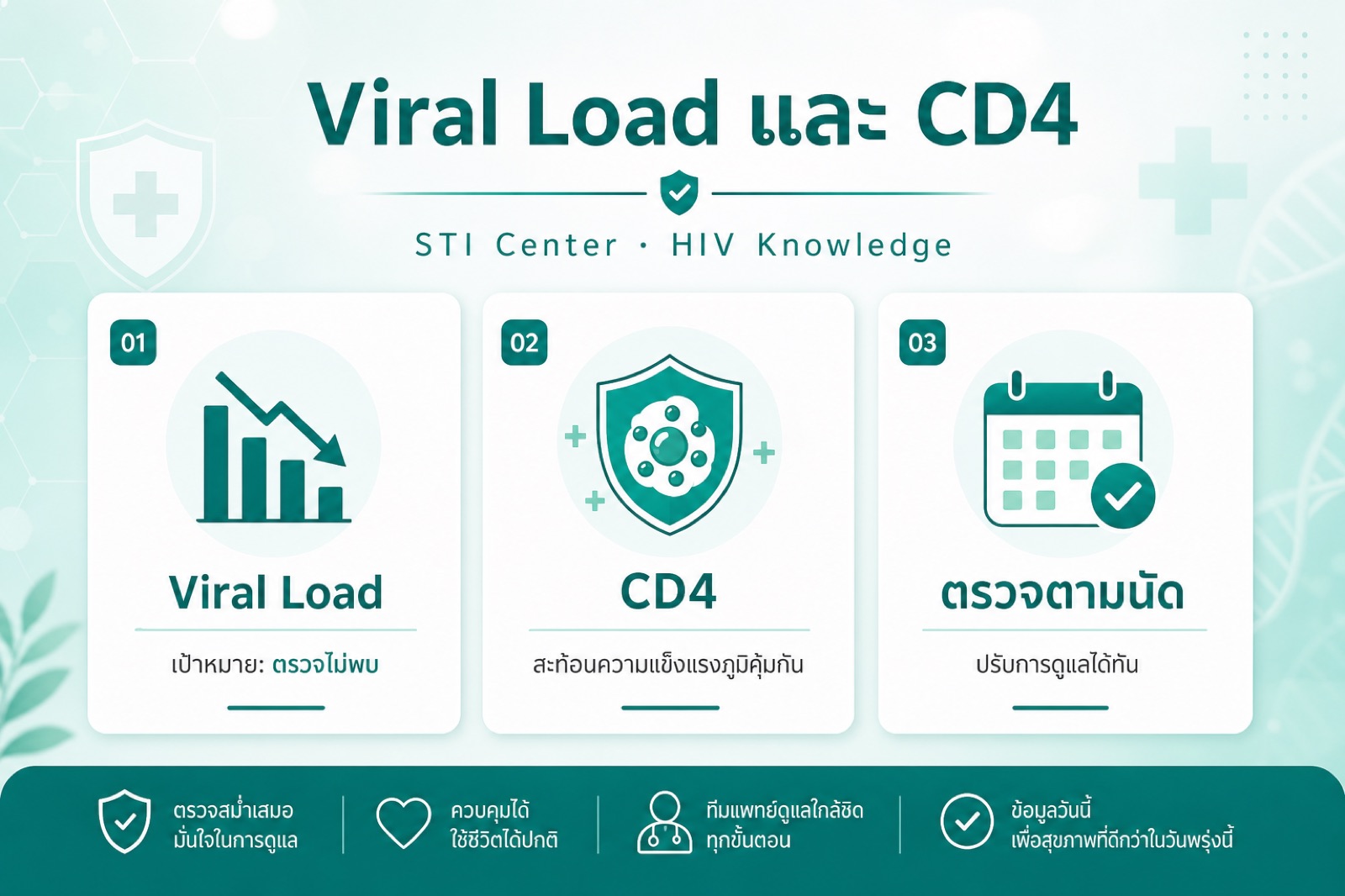
Viral load (HIV in the blood) and CD4 (key immune cells HIV attacks) are central markers of treatment success. The main ART goal is a sustained undetectable viral load — often achieved within weeks to months of consistent therapy, depending on starting levels and adherence. CD4 usually rises as virus is suppressed, but recovery can take longer.
| Test | What it measures | Treatment goal |
|---|---|---|
| Viral load | Amount of HIV in blood | Sustained undetectable level |
| CD4 count | Number of CD4 immune cells | Recovery to a safe range for you |
| CD4 percentage | Share of CD4 among immune cells | Adds context alongside CD4 count |
Early on, viral load may be checked more often (for example at one to three months) to confirm the regimen works. If levels do not fall as expected, clinicians review adherence, interactions, and possible regimen changes. CD4 monitoring may become less frequent once viral load stays undetectable and CD4 has recovered well — per local guidelines.
Viral load and CD4 show if treatment works. Aim for sustained undetectable virus and recovering CD4 on schedule.
U=U and everyday life
U=U (Undetectable = Untransmittable) means that when a person with HIV maintains a consistently undetectable viral load on ART, they do not sexually transmit HIV to partners. Large studies support this, and major health agencies endorse it worldwide. U=U does not mean cured or that you can stop ART — it means effective treatment is highly effective prevention.
Living with U=U includes work, study, relationships, and family planning (with clinical support). Understanding U=U reduces fear and stigma for many people. Remember: U=U prevents sexual HIV transmission when viral load stays undetectable — it does not prevent other STIs. Condoms and STI screening still matter. Read more on prevention and STIs.
What U=U does not cover
- Does not prevent other STIs such as syphilis, gonorrhea, or HPV.
- Requires consistent ART and monitoring — viral load can rebound after missed doses.
- Does not replace other prevention (such as PrEP) in every situation — discuss with your clinician.
- Bloodborne and mother-to-child transmission follow separate evidence and guidance.
U=U stops sexual HIV transmission but not other STIs — use condoms and screen for STIs. See prevention.
Long-term health care
Effective HIV treatment supports long, good lives, but long-term care goes beyond ART alone. Keep clinic visits, stay up to date on vaccines (such as influenza and hepatitis A/B when indicated), age-appropriate cancer screening, and management of blood pressure, diabetes, and lipids. Avoid smoking, limit alcohol, stay active, and sleep well. Coordinate care if you have other chronic conditions.
Regular HIV and STI screening still matters on ART — you can acquire other STIs, and untreated STIs can harm overall health. With HIV-negative partners, open talks about U=U, PrEP, and shared testing build trust. For deeper reading, see our articles and FAQ. Use the site booking button when you are ready to test or talk to a provider.
- Scheduled labs: viral load, CD4 (per guidelines), kidney and liver panels.
- STI screening at least once or twice yearly if at risk — or more often as advised.
- Mental health: stress, depression, substance use — support is available.
- Plan costs and coverage so treatment is never interrupted.
Long-term care includes vaccines, age-appropriate cancer screening, no smoking, and STI checks even on ART.
Summary
ART is the main tool that transforms life with HIV today — start early, stay adherent, monitor viral load and CD4, and understand U=U so you can stay well, avoid transmission, and plan ahead with confidence. If side effects or adherence challenges appear, talk to your care team right away; never stop ART on your own.
Long-term health includes STI prevention, vaccines, mental health care, and regular follow-up. A clinician you trust makes the difference. Build a complete picture with HIV and AIDS, testing, and prevention.
ART supports long, good lives — never stop alone. Review testing, prevention, and articles for whole-person care.